
What it really costs to hire an electrician in Sanford, FL
By Thomas Quinn · Updated 2026-07-02
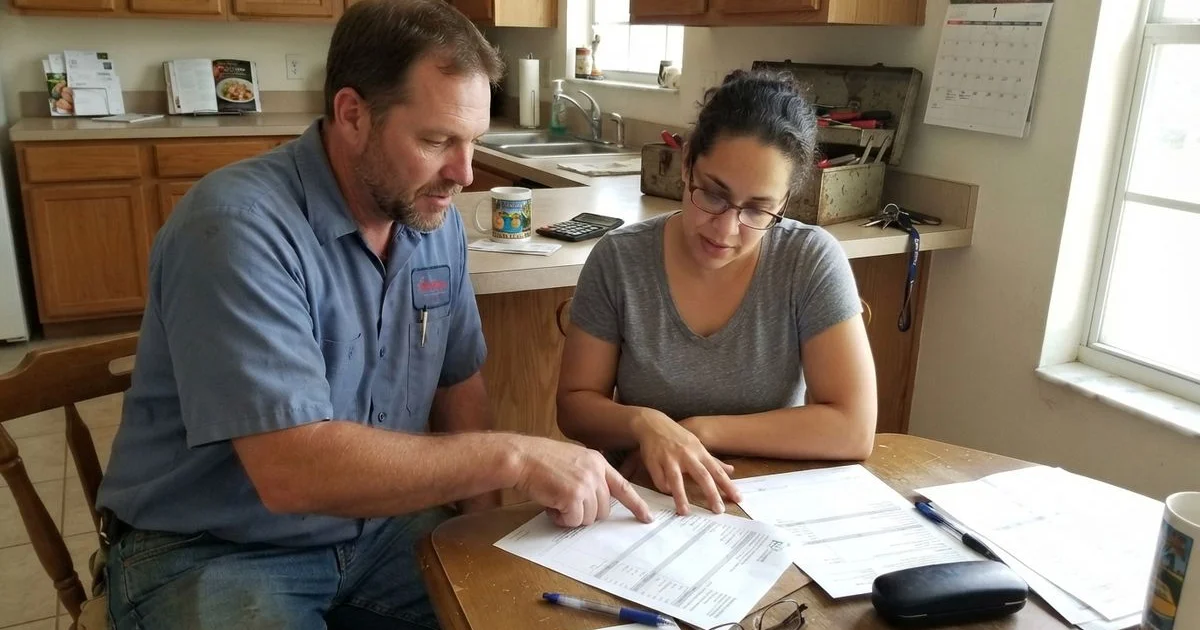
Electrician pricing in Sanford varies more than most homeowners expect for what sounds like the same job. Part of that is real: job complexity, panel access, and permit requirements genuinely change the cost. Part of it comes down to how a company structures its pricing and whether that structure gets explained upfront or discovered on the invoice.
How electricians typically price a visit
Most electrical companies use one of two structures. A trip charge plus hourly rate covers the cost of showing up, then bills labor time on top, often in set increments. A flat rate per job type quotes a fixed price for a defined scope, like replacing an outlet or installing a ceiling fan, regardless of exactly how long it takes. Flat rate pricing is easier to compare across companies since the number is fixed before work starts; hourly pricing can run higher or lower than expected depending on how the job actually goes.
A diagnostic or service call fee, charged just to have someone assess the problem, is standard practice across the industry. Ask whether that fee gets credited toward the repair if you move forward with the same company, since some do and some don’t.
What actually drives the price up
A few factors show up again and again in what pushes a quote higher:
- Timing. Evening, weekend, or after-hours emergency calls commonly carry a higher rate than a standard weekday visit, sometimes close to double.
- Panel access and capacity. A job that needs a new circuit but finds a panel with no open breaker slots costs more, since that often means a subpanel or panel upgrade gets added to the scope.
- Permit requirements. Jobs that need a permit add both the permit fee itself and the electrician’s time coordinating inspection scheduling.
- Home age and wiring condition. Older wiring, especially aluminum or knob-and-tube, can turn a simple-sounding job into one that needs extra time or a different approach.
- Materials. Specialty fixtures, smart devices, or higher-amperage wire for a longer run all add to the parts cost on top of labor.
Reading a quote so you can actually compare it
| What to check | Why it matters |
|---|---|
| Is it itemized by task, or one bundled number? | Bundled quotes make it hard to see what you’re paying for or negotiate individual items |
| Does it include the permit fee? | Some quotes bundle it in, others bill it separately |
| Is the trip/diagnostic fee credited toward the job? | Affects the real total if you’re comparing multiple companies |
| What’s excluded? | Ask directly; some quotes assume access or conditions that add cost if they turn out to be wrong |
Ask for the same level of detail from every company you’re comparing. A vague verbal number from one company and an itemized written quote from another aren’t really comparable, even if the vague number sounds lower at first.
When a low quote is actually a warning sign
A bid that comes in noticeably below everyone else’s isn’t always a deal. It can mean a company is cutting corners on materials, skipping the permit to avoid that cost, or planning to add charges once the job is underway that weren’t in the original number. If one quote is far out of line with the others, ask what’s different about the scope rather than assuming it’s simply the best price.
Why the same job can cost more with one company than another
Overhead is a bigger factor than most people assume. A large company running a dispatch center and a fleet of trucks has more fixed cost baked into every visit than a small owner-operated crew, and that shows up in the quote whether or not the actual labor differs much. That’s not automatically a reason to pick the smaller shop; a bigger operation often has more availability for emergencies and more bench strength if a job turns out to be bigger than expected. It’s just useful context for why two honest, competent companies can land on different numbers for what looks like the same job on paper.
A quick gut check before you sign
Get the scope in writing, confirm whether permit costs are included, and confirm the payment schedule, especially for larger jobs like panel upgrades or generator installs where a portion is often due upfront. A company that resists putting any of this in writing is worth a second look before you commit. For bigger jobs, financing terms deserve the same scrutiny as the quote itself; the financing electrical work in Florida guide covers loan and payment plan options directly.
Compare electricians serving Sanford on the homepage, and see our methodology for how pricing transparency factors into our scoring.
Frequently asked questions
- Do electricians in Sanford charge by the hour or a flat rate?
- Both models exist. Some companies quote a flat rate per job type (an outlet swap, a fixture install), others bill a trip charge plus hourly labor. Ask which model applies before the technician arrives so you're not surprised by the structure.
- Why do quotes for the same job vary so much between companies?
- Differences usually come down to overhead (a large company with a call center versus a small owner-operated crew), how the company bundles add-ons into the quote, and whether the price includes permit costs or treats them separately.
- Is a diagnostic or trip fee normal?
- Yes, most electricians charge a trip or diagnostic fee to come assess the problem, often applied toward the repair cost if you move forward with that company. Ask upfront whether the fee is waived or credited if you proceed.
- Should I get more than one quote?
- For anything beyond a minor repair, yes. Two or three quotes for the same described scope is the clearest way to see whether a number is reasonable or padded, and it gives you leverage to ask a high bidder what's driving the difference.