
Electrical permits in Sanford and Seminole County: when you need one
By Thomas Quinn · Updated 2026-06-26
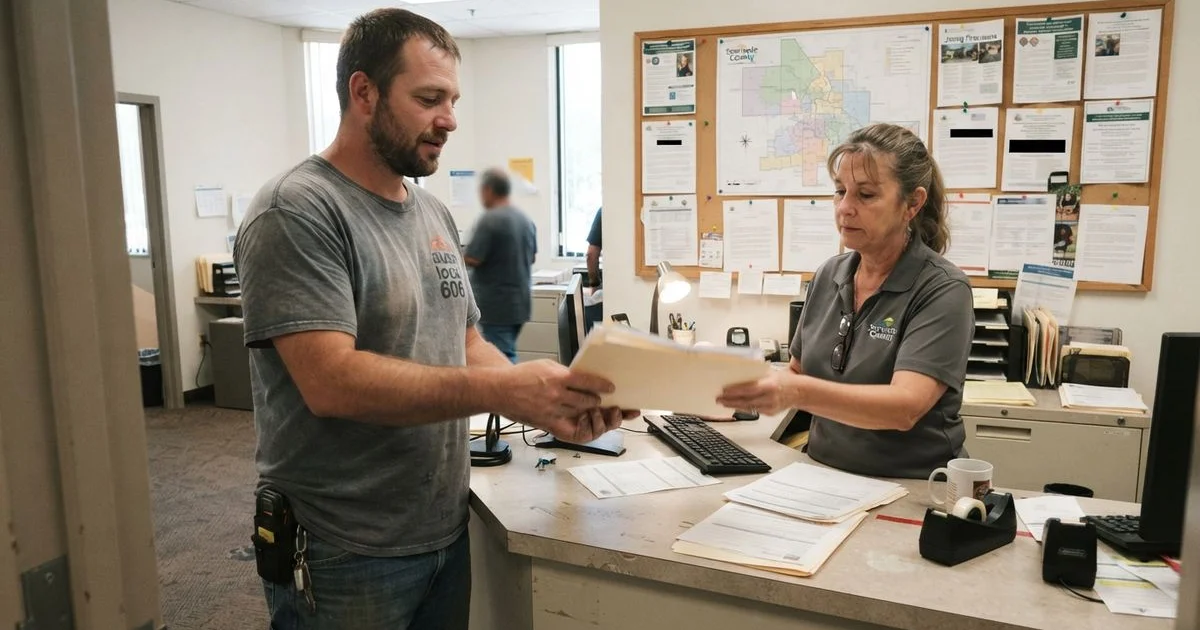
This is general information about how permitting typically works in Sanford and Seminole County, not legal advice. Requirements can change and specific jobs sometimes fall into gray areas, so confirm current rules with the local building department or your electrician before assuming a job is exempt.
Why the permit step exists
An electrical permit isn’t paperwork for its own sake. It triggers an inspection, and the inspection is what confirms the work meets the Florida Building Code rather than just “looking right” to whoever installed it. That matters most on the jobs where a mistake is invisible until it isn’t: a panel that’s wired wrong, a circuit that’s undersized for the load it now carries, grounding that was never connected properly. An inspector catches those before drywall goes back up or the panel cover goes on for good.
What typically needs a permit
Most panel upgrades, new circuit installations, service upgrades, and generator or transfer switch installations require a permit pulled through the City of Sanford or Seminole County, depending on where the property sits. EV charger circuits usually fall into this category too, since they add a dedicated high-amperage circuit to the home’s load. Additions, remodels that touch wiring, and anything involving the main service entrance almost always need one.
What usually doesn’t
Straightforward repairs and swaps, like replacing a light fixture, switch, or outlet in its existing location with a like-for-like part, typically don’t trigger a permit requirement. The line gets blurrier with things like adding a single new outlet to an existing circuit; some jurisdictions treat that as minor work, others don’t. When in doubt, ask the electrician directly whether the specific job needs one, and get the answer in writing if it affects your decision to move forward.
| Job type | Permit typically needed |
|---|---|
| Panel upgrade or service change | Yes |
| New circuit (EV charger, generator, hot tub) | Yes |
| Whole-home or partial rewire | Yes |
| Light fixture or switch swap, same location | Usually no |
| Single outlet or fixture repair | Usually no |
| Standby generator with transfer switch | Yes |
What happens if the work skips it
Unpermitted electrical work doesn’t announce itself right away. It tends to surface at inconvenient moments: during a home inspection when you’re trying to sell, during an insurance claim after a fire or water intrusion, or when a future electrician opens the panel and finds something that was never inspected. Reviews from generator and electrical contractors in Central Florida include cases where warranty registrations and permit closing paperwork were left incomplete after installation, leaving the homeowner to sort it out months later. That’s the kind of gap a permit and its inspection are meant to prevent.
Insurance companies specifically look for this. If a fire investigation traces back to work that was never permitted or inspected, that can complicate or void a claim depending on your policy’s terms. It’s one more reason to confirm the permit was actually pulled, not just promised, before work starts.
The resale angle people miss
Buyers and their inspectors increasingly ask for permit history on any electrical work visible in a home, especially panel upgrades, added circuits, or a generator setup. If a seller can’t produce a closed permit for work that clearly required one, it can slow a sale or become a negotiating point at the worst possible time, right before closing. Keeping permit records as you go saves that headache later, whether you’re selling in a year or in a decade.
How to confirm it’s handled
Ask your electrician directly which permits the job requires and whether they’ll pull them before work begins, not after. A licensed contractor pulling a permit under their own license is normal and expected; if a company asks you to pull the permit yourself as a way to skip their involvement, or tells you the job “doesn’t really need one” for something like a panel upgrade, ask why. You can also check permit status directly with Seminole County or the City of Sanford’s building department once work is scheduled, since permits are public record.
Keep a copy of the closed-out permit and inspection approval with your home records. It’s useful documentation for insurance, for a future sale, and for any electrician who works on the system down the line.
See our methodology for how we weigh licensing and permitting practices when scoring electricians, and browse the homepage to compare providers serving Sanford and Seminole County.
Frequently asked questions
- Do I need a permit to replace a light fixture or outlet?
- Generally no. Straight swaps like a light fixture, a switch, or an outlet in the same location typically don't require a permit. Adding new circuits, moving wiring, or upgrading service does.
- Who pulls the permit, me or the electrician?
- A licensed electrician pulls the permit under their license. If a contractor asks you to pull it yourself, or skips it entirely on a job that clearly needs one, treat that as a warning sign.
- What happens if work was done without a required permit?
- It can surface during a home sale, an insurance claim, or a future renovation, and often has to be corrected or retroactively permitted at your expense. Unpermitted electrical work is also a common reason an insurer denies a fire-related claim.
- How long does the permit and inspection process take?
- It varies by scope and current department workload. A straightforward panel swap might clear inspection within a few days to a couple of weeks; larger service upgrades or new construction can take longer.